June 19, 2025
Drinking or using drugs overseas – safer travelling tips
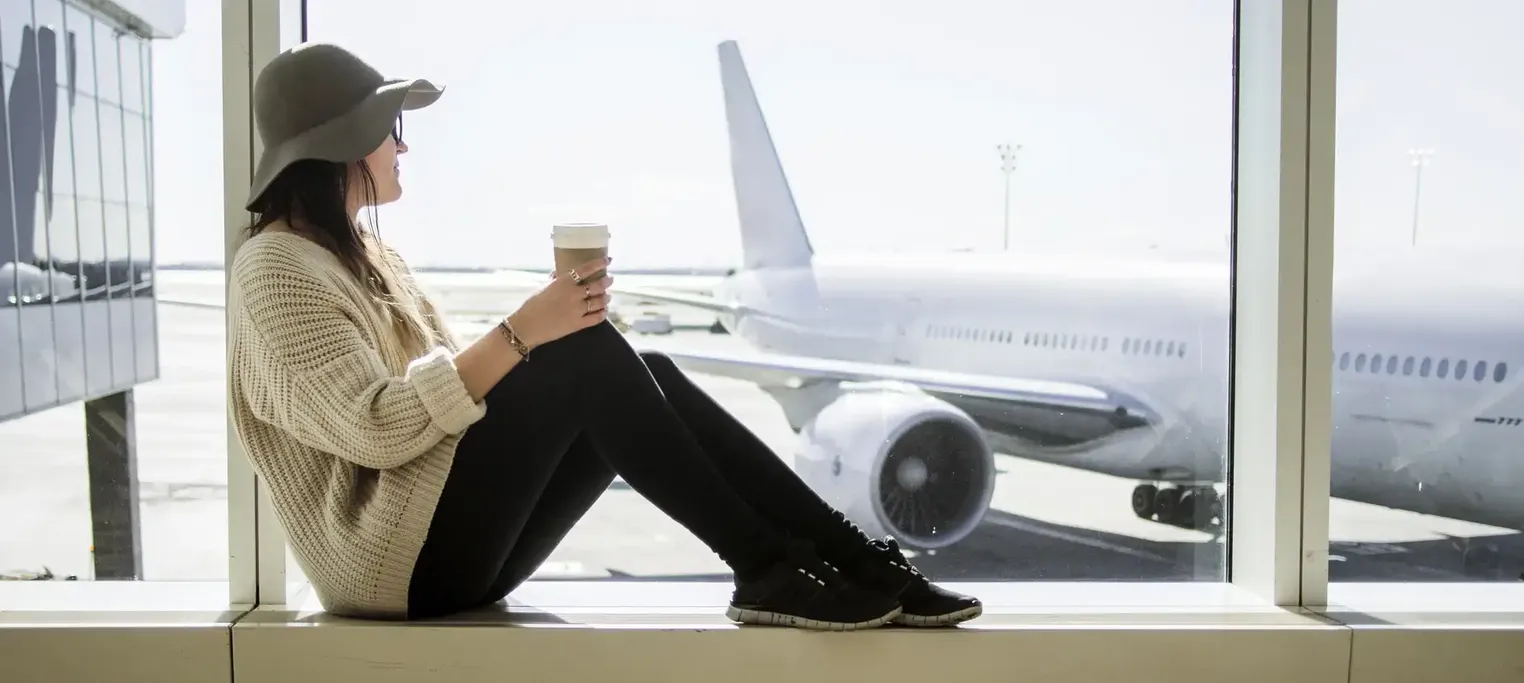
Australians love to travel. In 2023–24, around 9.6 million residents went overseas.1
Whether it’s a gap year, holiday or family visit, travel brings unforgettable experiences.
But it’s also important to be aware of potential alcohol and drug harms when travelling – including methanol poisoning and other drug-related risks.
Here, we look at how to make safer choices when it comes to alcohol and other drugs overseas.
Alcohol risks: what is methanol poisoning?
In Australia, alcohol production is highly regulated, but in many other countries it isn’t, which can lead to contamination – including with methanol.
Methanol is a type of alcohol used industrially, but it’s not safe to consume.2
When ingested it turns into a toxic substance, which can cause methanol poisoning – even if a small amount was consumed.
Methanol poisoning can lead to blindness, brain damage, coma and death.3
It’s sometimes added deliberately to drinks to cut costs, or produced accidentally in home brews.3
It looks, smells and tastes like regular alcohol, so you can’t tell the difference. It can be in any type of alcoholic drink, but it’s most often found in spirits and traditional home-brewed drinks.4
Reported incidents of methanol poisoning are highest in parts of Asia, but it’s also a risk in some regions of Latin America, the Middle East, Africa and Eastern Europe.4,5
Thousands experience methanol poisoning each year, but in Australia we mainly hear about it when travelling Australians are affected.4,5
The safest option is to avoid drinking in places where methanol contamination is a risk.
But if you choose to drink, you can reduce risks by:
- not buying drinks from street stalls or unlicensed venues
- avoiding cocktails or other spirit-based drinks
- not drinking home-made alcohol
- being cautious of very cheap drinks claiming to use branded spirits – bottle labels can be inaccurate, and they might be fake
- sticking with sealed branded drinks, such as cans of beer from a recognised company.4,6
Know the signs of methanol poisoning
Symptoms can be similar to drinking too much alcohol, but usually take longer to develop (around 12-24 hours) and can be more severe.6 Symptoms of methanol poisoning include:
- nausea or vomiting
- abdominal pain
- fatigue
- dizziness
- confusion
- breathlessness or hyperventilation
- vision problems – including blurred vision, tunnel vision and changes in perception.2,6
Get medical attention urgently if you suspect you or someone else has been poisoned. Call local emergency services or go to a hospital immediately.
Emergency contact numbers and more information can be found on the smart traveller website.
What are the risks of using other drugs overseas?
Using illegal drugs overseas can come with serious consequences.
Many countries have much stricter drug laws than Australia. Getting caught even with small amounts of banned drugs (including some medications) can lead to getting arrested or jailed.7,8
Each year, more than a third of Australians in prison overseas have been jailed for drug offences.8
And some countries, such as Indonesia and Singapore, have the death penalty for trafficking or possession of illicit drugs.9
Some medications are also illegal overseas – even if you have a prescription.
Make sure you know the local drug laws before you go – check smart traveller for destination information.
There’s no way to know what’s in a drug, or how strong it is, if your destination doesn’t have drug checking services.
Potency and contents of drugs vary widely around the world.10
But, if you choose to use drugs overseas, you can reduce your risk of harm:
- Start low, go slow – try a little bit first and wait to see how you feel. Even if you’ve taken the drug at home before, it could be much stronger, have contaminants or different effects.
- Avoid using alone – have a trusted friend with you and tell them what you’ve taken.
- Avoid mixing drugs - taking different drugs at the same time, including alcohol, can have unpredictable effects and increase your risk of harm especially in an unfamiliar place.11
See below for more tips on safer partying and visit our Drug Fact pages for drug specific info.
Safer partying when travelling
Partying in unfamiliar environments can be risky - especially if alcohol or other drugs are involved.
Not everyone who travels chooses to use alcohol or other drugs. But if you do, there’s ways you can reduce the risk of harm or having a bad experience.
Before going out, make sure to:
- Plan ahead: write down or save your accommodation’s address and plan your route back. Check you have enough local cash for a taxi or ride share – cards aren’t always accepted.
- Know emergency contacts: save local emergency numbers (find on smart traveller for your destination) and your travel insurance hotline number.
- Set limits: set how many drinks you plan to have and stick to it.
And while you’re drinking, using drugs or partying:
- Stick with friends: alcohol and other drugs can stop you thinking clearly, so stay with trusted friends if they’re travelling with you. Keep an eye on each other and have each other’s back.
- Watch for drink spiking: don’t leave your drink unattended. Buy or pour your own drinks and avoid sharing. If someone offers to buy you a drink, go to the bar with them and watch the bartender make it.
- Stay hydrated and eat beforehand: you’re less likely to be sick or have a bad time if you do.
- Know the signs of overdose and how to respond: call local emergency services if someone might be overdosing.
- Avoid risky activities: alcohol and other drugs affect your reflexes, response times and judgement, making activities like driving and swimming dangerous.12,13 Remember to also take safety precautions if you’re a passenger – always wear a helmet on a bike and use car seatbelts.
- Practice safe and consensual sex: it’s OK to say no to sex – pressuring someone else into having sex is sexual assault. And remember alcohol and drugs affect consent. If you do decide to have sex, make sure to carry protection like condoms.
- Be aware of your surroundings: party venues overseas can have lower building safety standards – leave if the venue seems overcrowded or unsafe. Scams can also be common in tourist areas and might be harder to detect if you’ve been drinking or using drugs – find out what to look out for on smart traveller’s scam page.
- Keep your valuables safe: lock your passport securely at your accommodation. Only take essentials and always keep valuables on you. Wear bags in front and avoid using back pockets to reduce theft risk.
- Trust your gut: if a place, situation or person doesn’t feel right, it’s OK to leave.
For more tips visit ADF’s alcohol, drugs, and partying page and for parenting support and guidance see our Talk About it resource.
More info
For more information and resources visit:
- Statista. Number of outbound tourists from Australia from financial year 2006 to 2024. 2024. [cited 2025 Jun 10]
- Nekoukar Z, Zakariaei Z, Taghizadeh F, Musavi F, Banimostafavi E, Sharifpour A, et al. Methanol poisoning as a new world challenge: A review. Annals of Medicine and Surgery. 2021:102445. doi: 10.1016/j.amsu.2021.102445. [cited 2025 Jun 06]
- Manning L, Kowalska A, Coelho C, Roullier-Gall C. Illicit Alcohol: Public Health Risk of Methanol Poisoning and Policy Mitigation Strategies. Foods. 2021;10(7). doi: 10.3390/foods10071625. [cited 2025 Jun 06]
- Smart Traveller. Partying safely. 2025. [cited 2025 Jun 06]
- Doctors Without Borders. Outbreaks Worldwide. 2025. [cited 2025 Jun 10]
- Doctors Without Borders. Fact Sheet on Methanol Poisoning. [cited 2025 Jun 10]
- The Global Drug Policy Index. Ranking. [cited 2025 Jun 10]
- Smart Traveller. Carrying or using drugs. 2023. [cited 2025 Jun 10] Available from:
- Harm Reduction International (HRI). The death penalty for drug offences: Global Overview 2024. 2025. [cited 2025 Jun 10]
- United Nations Office on Drugs and Crime (UNODC). World Drug Report 2024: Key findings and conclusions. 2024. [cited 2025 Jun 10]
- National Drug and Alcohol Research Centre. Polydrug use: What you need to know. 2014. [cited 2025 Jun 12]
- Hamilton K, Keech JJ, Peden AE, Hagger MS. Alcohol use, aquatic injury, and unintentional drowning: A systematic literature review. Drug and Alcohol Review. 2018;37(6):752-73. doi: 10.1111/dar.12817. [cited 2025 Jun 12]
- Martin T, Solbeck P, Mayers D, Langille R, Buczek Y, Pelletier M. Review of Alcohol-Impaired Driving: The Role of Blood Alcohol Concentration and Complexity of the Driving Task. Journal of Forensic Sciences. 2013;58(5):1238 - 50 [cited 2025 Jun 12]