How is kava used?
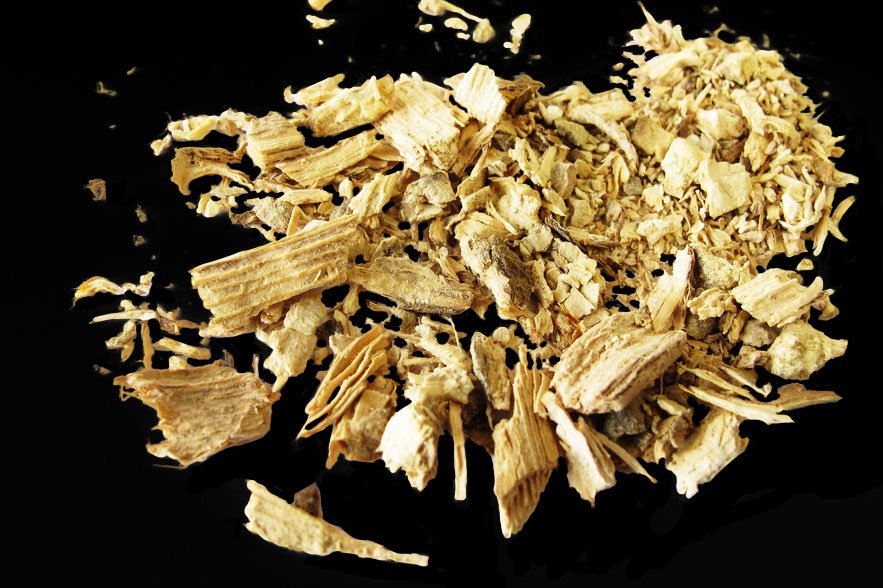
Traditionally, the root and stump of the kava shrub are crushed, ground, then soaked in cold water producing a drink for ceremonies and cultural practices.2
Kava use is popular in Pacific Islander communities in Australia and has been reported as a way of expressing and maintaining cultural identity.2, 7
Kava extract is also used in some herbal preparations which are sold as over-the-counter tablets and powders to be used in the treatment of insomnia, stress, and anxiety.2
Effects of kava
The use of any drug can have risks. It’s important to be careful when taking any type of drug.
Kava can affect everyone differently, based on:
- size, weight and health
- whether the person is used to taking it
- whether other drugs are taken around the same time
- the amount taken
- the strength of the drug (varies from batch to batch)
- the environment (where the drug is taken).
Onset and duration of effects
How fast a drug takes effect and how long it lasts can vary depending on how it's taken - for example, whether it's drunk or taken as a tablet.
Kava is quickly absorbed by the body, reaching peak effects about 2 to 3 hours after use.8
It can remain in the body for more than 24 hours.9
Effects
Effects can include:
- feeling happy and relaxed
- mild sleepiness
- reduced anxiety/stress
- numb mouth and throat
- reduced or loss of appetite
- headache
- nausea
- stomach-ache
- abdominal pain.2, 7, 10
Impact of mood and environment
Drugs that affect a person’s mental state (psychoactive drugs) can also have varied effects depending on a person’s mood (often called the ‘set’) or the environment they are in (the ‘setting’):
- Set: a person’s state of mind, previous encounters with the drug, and expectations of what’s going to happen. For example, feelings of stress or anxiety before using kava may result in an unpleasant experience and make those feelings worse.
- Setting: the physical and social environment where you take kava – whether it’s known and familiar, who you're with, if you're indoors or outdoors, the type of music or sounds, and lighting. The ideal setting to take kava will vary based on the individual and drug they’re using. For example, one person might enjoy kava in a loud social setting like a party, while another may prefer a quieter place with close friends.11
Being in a good state of mind, with trusted friends and a safe environment before taking kava reduces the risk of having a bad experience.11
Overdose
If you have a large amount of kava or a strong batch, you could overdose.
Your risk of overdose can also increase if you mix kava with alcohol or other drugs, including medications.
There have been no reported deaths from kava overdose in Australia.
However, the symptoms of kava overdose can be very unpleasant or even dangerous for some people with health issues.12, 13
Call triple zero (000) and request an ambulance if you or someone else has any of the following symptoms (emergency services are there to help and can provide more instructions).
Signs of kava overdose include:
- extreme drowsiness
- loss of muscle control or muscle weakness
- sore or red eyes
- confusion
- paranoia
- mild fever
- seizures
- hallucination (seeing or hearing things that aren’t there).2, 10, 14
Learn more on overdose and drug-related emergencies here.
Mixing kava with other drugs
Mixing kava with other drugs can have unpredictable effects and increase the risk of harm.
Mixing includes using more than one drug (including alcohol or medications) at the same time, or one after another. You should also consider what drugs you’ve taken in the last 24 hours.
- Kava and alcohol: can make you feel more drunk and increases risk of liver damage. Alcohol may also increase the effects of kava.
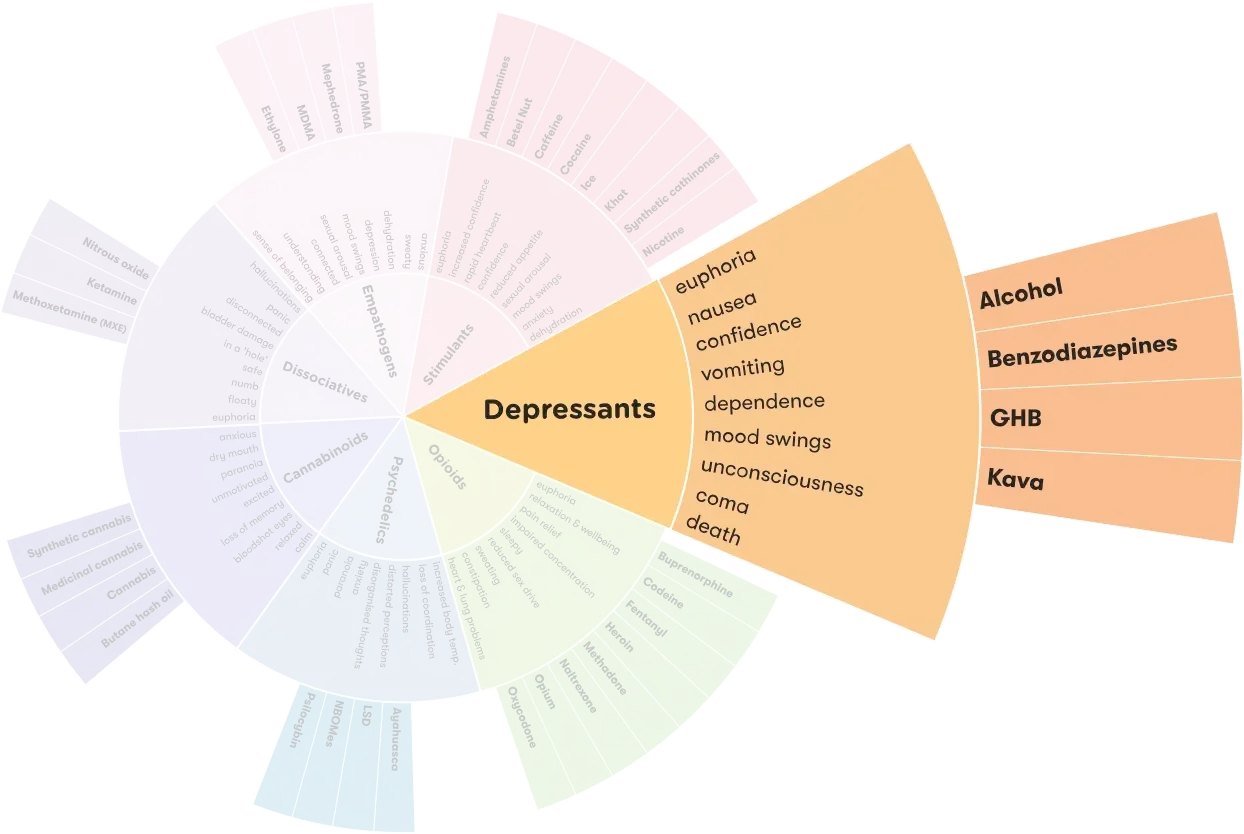
- Kava and benzodiazepines such as (Valium®) or (Xanax®)/GHB/opioids: may lead to extreme drowsiness and other symptoms such as feeling clumsy or uncoordinated, slow breathing, nausea and vomiting, memory loss, passing out.
- Kava and dissociatives (such as ketamine/nitrous oxide): can make you more uncoordinated and tired. At high doses, you may suddenly lose consciousness. If you vomit while unconscious, there’s a risk of choking on the vomit.
- Kava and stimulants (such as amphetamines/caffeine/cocaine): can mask the effects that each drug is having. This can lead to taking higher doses and may result in an overdose.
- Kava and hepatic route medications/anticoagulants/antiplatelets: Kava changes the way that the liver processes some types of medications and drugs. Talk to your healthcare provider before using kava.13, 15, 16
Using more than one drug or type of drug at the same time is called polydrug use.17
More on Polydrug use
Polydrug use is a term for the use of more than one drug or type of drug at the same time or one after another. Polydrug use can involve both illicit drugs and legal substances, such as alcohol and medications.
Reducing harm
There are ways in which you can reduce the risks associated with using kava.
- Start low, go slow – try a little bit first to see how you feel. Wait at least 30 minutes before deciding whether to take more.
- Stay hydrated by taking small sips of water regularly – to avoid dehydration.
- Use kava in moderation to reduce the risk of dry, itchy and scaly skin associated with heavy use.
- Talk with your health professional before starting new medications.
- Avoid use if you have a history of seizures or Parkinson’s disease – as it may lead to worse symptoms.
- Don’t use if you have liver disease, are pregnant or are breastfeeding.
- Don’t operate machinery, drive, or swim.12, 18-20
Coming down
Kava is not known to cause comedown effects.
Long-term effects
Long-term effects can vary depending on how much, how often and how kava is consumed. Regular use may eventually contribute to:
- malnutrition
- weight loss
- shortness of breath.7, 10
Kava use has also been linked to dermopathy, a skin condition that can cause a rash, itching or scaly skin.2, 7
This rash should go away within a few weeks of stopping kava use.21
Long-term use of Kava has also been linked to liver damage.2, 22
The exact reason for this link is not fully understood. It may be related to mould or contamination on raw kava plant material, or an individual reaction to kava in some people.22
Speak with your doctor or healthcare provider if you have any concerns about your use of kava.
Kava and mental health
Kava has been explored as a treatment for anxiety disorders, with some studies showing positive results for the short-term relief of symptoms.2, 23, 24
However, there isn’t any strong evidence to suggest it is effective as a long-term treatment.23-25
It is not currently recommended as a medicine or treatment for anxiety disorders.23
Tolerance
Kava is not known to cause normal tolerance (where someone needs to take larger amounts to get the same effects).
But, there have been anecdotal reports of kava causing ‘reverse tolerance’ (also known as sensitisation).15, 26
This means the effects of a drug can feel stronger the more times someone uses it.26
However, this may be because people become more familiar with kava after using it, making its effects easier to recognise rather than stronger.26
Dependence
In rare cases, people who regularly use kava may become dependent. They may feel they need to use kava to go about usual activities like working, studying and socialising, or just to get through the day.2
Withdrawal
Withdrawal refers to the symptoms that can occur when someone who is dependent on a drug, or who has been using it regularly over time, stops or reduces their use.27
Withdrawal can include physical symptoms (such as headaches, or nausea) and psychological symptoms (such as anxiety, or depressed mood).27
Symptoms - including how strong they are and how long they last - will vary depending on the type of drug and a person’s history of use.27
There are no known physical withdrawal symptoms for kava, however if you experience symptoms after stopping or reducing your use, or have concerns, contact your doctor or the help and support services listed below for advice and support.2
Pregnancy and breastfeeding
There is limited evidence on the health impacts of kava use during pregnancy and breastfeeding.8
The safest option for people who are trying to get pregnant, who are pregnant, or who are breastfeeding is to not use kava.9
Regular kava use during pregnancy may cause the baby to be born with a skin rash similar to the rash sometimes seen in adults who use kava for a long time or in high doses.21
There is some evidence that kava can be passed on to the baby in breastmilk.8
Getting help
If your use of kava is affecting your health, family, relationships, work, school, financial or other life situations, or you’re concerned about someone, there is help and support.
- Call the National Alcohol and Other Drug Hotline on 1800 250 015 for free and confidential advice, information and counselling about alcohol and other drugs
- Search our Help and Support directory to find your preferred support, by adding your location or postcode and filtering by service type.
Path2Help
Not sure what you are looking for?
Try our intuitive Path2Help tool and be matched with support information
and services tailored to you.

The import, advertising, and sale of kava in Australia is strictly controlled.28
Personal use
Passengers coming into Australia, who are over the age of 18 years, are allowed to bring 4kg of kava powder without a license or permit, provided it is in their accompanied baggage.28, 29
This rule does not apply to the Northern Territory where kava is illegal in all forms, including possession.30
For use as food
The importation of kava, for food use, is not allowed unless the importer holds a permit issued by the office of Drug Control. A number of regulations must be followed to comply with Imported Food Control Act 1992.31
A permit has been granted to sell kava drink in selected supermarkets as part of the Australian Government’s Kava pilot.32
Medical and scientific use
The importation of kava for medical and/or scientific purposes is prohibited unless the importer holds a licence and permit issued by the Office of Drug Control.28, 33
See also, drugs and the law.
National
In 2022–2023, less than 1 in 100 Australians aged 14 or older (0.8%) had used kava in the past 12 months.34
People in their 30s (1.2%) or 40s (1.3%) were the most likely age groups to have used kava in the past 12 months.34
People born in New Zealand or other parts of Oceania were more likely to have used kava in the past 12 months compared to people born in Australia (4.6% compared with 0.7%).3, 34
- Quigley A, Cataldo LJ, Waun J. Central Nervous System Depressants. The Gale Encyclopedia of Medicine [e-book]. Vol.2. 6th ed. Farmington Hills, MI: Gale, 2020 [cited 2026 Jul 30]; 1020–1.
- Asare-Doku W, Settumba Stolk, S., Peacock, A., Shakeshaft, A., Waller, E., Nathan, S., et al. Monitoring and evaluation of the kava pilot program. [Internet]. Sydney, NSW: National Drug and Alcohol Research Centre. 2023. [cited 2026 Sep 2] p. 312.
- NDARC. NDARC fact sheet: Kava. [Internet]. Sydney, NSW: UNSW; 2025. [cited 2026 Sep 2]
- National Centre for Complementary and Integrative Health. Kava. 2025. [cited 2026 Sep 4]
- Drugs.com. Kava. 2026. [cited 2026 Sep 4]
- Lee K. Handbook for Aboriginal alcohol and drug work [e-book]. Sydney: University of Sydney; 2012 [cited 2026 Sep 4].
- Economidis G, Lynch M, Taylor S, Asare‐Doku W, Macpherson G, Degenhardt L, et al. Global Perspectives on Kava: A Narrative Systematic Review of the Health Effects, Economic and Social Impacts and Policy Considerations. Drug and Alcohol Review [Internet]. 2025. [cited 2026 Sep 3];44(6):1601–40.
- NSW Health. Kava clinical factsheet. 2022. [cited 2026 Sep 4]
- Your Room. Kava. n.d. [cited 2026 Sep 3] Available from:
- Positive Choices. Kava: Factsheet. 2026. [cited 2026 Sep 4]
- Nutt D. Drugs without the hot air : making sense of legal and illegal drugs [e-book]. 2nd ed. Cambridge: UIT Cambridge Ltd; 2020
- Meseguer E, Taboada R, Sánchez V, Mena MA, Campos V, García De Yébenes J. Life-threatening parkinsonism induced by kava-kava. Movement disorders : official journal of the Movement Disorder Society [Internet]. 2002. [cited 2026 Sep 3];17(1):195–6.
- Drug Science. Kava. 2026. [cited 2026 Sep 16]
- Chanwai LG. Kava toxicity. Emergency Medicine [Internet]. 2000. [cited 2026 Sep 3];12(2):142–5.
- PsychonautWiki. Kava. 2024. [cited 2026 Sep 3] Available from:
- NSW Ministry of Health. Kava: the facts. NSW Government; 2022. [cited 2026 Sep 4]
- Darke S, Lappin J, Farrell M. The clinician's guide to illicit drugs and health [e-book]. Silverback Publishing; 2019
- Schelosky L, Raffauf C, Jendroska K, Poewe W. Kava and dopamine antagonism. Journal of neurology, neurosurgery, and psychiatry [Internet]. 1995. [cited 2026 Sep 3];58(5):639–40.
- Giulini F, Keenan E, Killeen N, Ivers J-H. A Systematized Review of Drug-checking and Related Considerations for Implementation as A Harm Reduction Intervention. Journal of Psychoactive Drugs [Internet]. 2023. [cited 2026 Sep 4];55(1):85–93.
- Tripsit wiki. Kava. 2015. [cited 2026 Sep 4]
- Spungen HH, Mody K, Micetic B, Wade C, Kang AM. Neonatal and Maternal Ichthyosiform Dermopathy in Association with Kava Use during Pregnancy. Journal of medical toxicology : official journal of the American College of Medical Toxicology [Internet]. 2024. [cited 2026 Sep 4];20(3):308–13.
- Teschke R, Sarris J, Schweitzer I. Kava hepatotoxicity in traditional and modern use: the presumed Pacific kava paradox hypothesis revisited. British Journal of Clinical Pharmacology [Internet]. 2012. [cited 2026 Sep 03];73(2):170–4.
- Lowe T, Connolly G. The efficacy and safety of Piper methysticum (kava) for anxiety and Generalised Anxiety Disorder: A critical narrative review. Advances in Integrative Medicine [Internet]. 2026. [cited 2026 Sep 4];13(3)
- Sarris J, Byrne GJ, Bousman CA, Cribb L, Savage KM, Holmes O, et al. Kava for generalised anxiety disorder: A 16-week double-blind, randomised, placebo-controlled study. Australian & New Zealand Journal of Psychiatry [Internet]. 2019. [cited 2026 Sep 4];54(3):288–97.
- Smith K, Leiras C. The effectiveness and safety of Kava Kava for treating anxiety symptoms: A systematic review and analysis of randomized clinical trials. Complementary Therapies in Clinical Practice [Internet]. 2018. [cited 2026 Sep 4];33:107–17.
- Reverse Tolerance. In: Fisher G, Roget N, editors. Encyclopedia of Substance Abuse Prevention, Treatment, & Recovery [e-book]. SAGE Publications, Inc., 2009 [cited 2026 Sep 16].
- NSW Ministry of Health. Management of Withdrawal from Alcohol and Other Drugs: Clinical Guidance. 2022. [cited 2026 Sep 11]
- Office of Drug Control. Kava. Australian Government Department of Health, Disability and Ageing; n.d. [cited 2026 Sep 4]
- Office of Drug Control. Travelling with kava for personal use. Australian Government Department of Health, Disability and Ageing; n.d. [cited 2026 Sep 4]
- Northern Territory Government of Australia. Kava. 2026. [cited 2026 Sep 4]
- Office of Drug Control. Importing kava into Australia for use as a food. Australian Government Department of Health, Disability and Ageing; n.d. [cited 2026 Sep 4]
- Seymour J. Fiji Kava’s (ASX:FIJ) Drinking Kava to hit Coles shelves nationally. The Market Herald 2022. [cited 2026 Sep 17]
- Office of Drug Control. Importing kava into Australia for medical and scientific purposes. Australian Government Department of Health, Disability and Ageing; n.d. [cited 2026 Sep 4]
- Australian Institute of Health and Welfare. Kava in the NDSHS - National Drug Strategy Household Survey 2022–2023. Australian Government; 2025. [cited 2026 Sep 4]