August 27, 2026
Peptides, what's behind the hype?
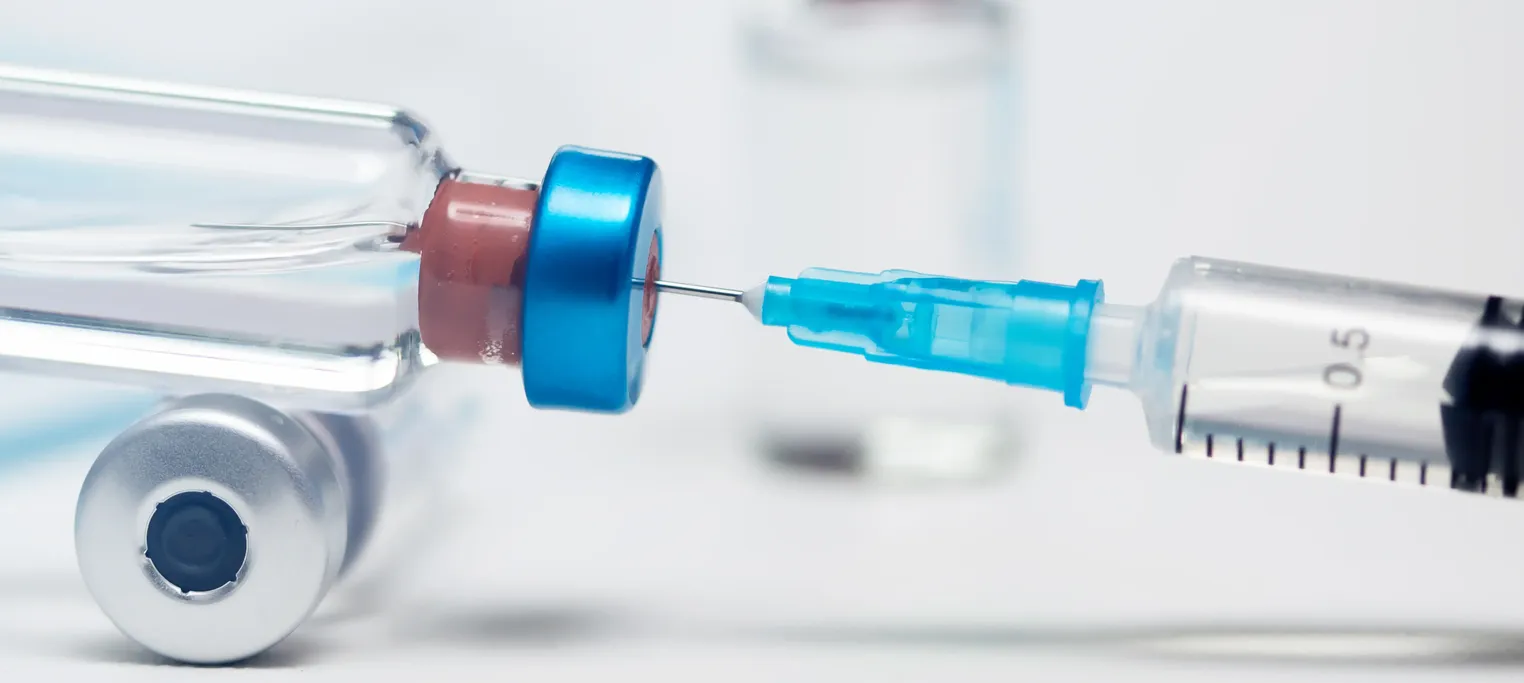
Peptides are getting a lot of attention.
They’re promoted on social media as quick fixes for weight loss, muscle growth, healthier skin and anti-ageing - but many lack the research to back up these claims.1-5
Some peptide medications are approved, regulated and prescribed for certain health conditions. While other unapproved products are being sold online illegally for fitness, cosmetic and wellness purposes.1, 5
Here, we unpack what peptides are, how they’re being marketed online, and what risks to be aware of.
What are peptides?
Peptides are short chains of amino acids that are naturally found in our bodies.4, 6
They act as chemical messengers that help regulate many important processes, such as:
- metabolism and appetite
- hormone activity
- tissue repair and growth
- skin health and elasticity.4, 6
The body naturally produces many peptides, for example:
- insulin - which helps regulate blood sugar
- glucagon-like peptide-1 (GLP-1) – which is naturally made in the gut after eating and boosts insulin release, slows digestion, and signals the brain to feel full. 7, 8
Other peptides come from proteins in animal and plant foods. Or they can be made in a lab, known as ‘synthetic peptides’.9
Synthetic peptides are designed to mimic or amplify effects seen in naturally-occurring peptides.4 They’re often used in medications and injectable products.4
While they were once mainly linked with treating medical conditions or used in elite sport, they’re increasingly being illegally promoted and sold online.1, 10, 11
What types of peptide products are there?
In Australia, peptide products can be divided into two categories: approved and unapproved.
Approved peptide products
Approved products that contain peptides have undergone extensive research and assessment.
These include some therapeutic goods, such as beauty supplements with the peptide collagen, as well as certain prescription medications.12, 13
For example, GLP-1 medicines such as semaglutide (Ozempic®, Wegovy®) and tirzepatide (Mounjaro®), can be prescribed for type 2 diabetes and weight management.13
Other peptide medications include:
- insulin: prescribed to help regulate blood glucose levels in people with diabetes
- human growth hormone (hGH): prescribed to treat growth hormone deficiencies and certain conditions that affect growth and development.13
Importantly, these medications are regulated by the Therapeutic Goods Administration (TGA), and listed on the Australian Register of Therapeutic Goods (ARTG).13
This means the TGA has checked their quality, safety and effectiveness. Because they’re prescription medications, they can only be used under the guidance of qualified health professionals.12
Unapproved peptide products
Many other peptide products haven’t been approved for use by the TGA. This means they aren’t regulated for safety, quality or effectiveness.14
They’re often sold as injectables on the growing online market.1, 15
Examples include products marketed as:
- Retatrutide – for weight loss
- GHK-Cu – for skin health and anti-ageing
- BPC-157 – for injury repair and gut health
- TB-500 – for injury recovery
- CJC-1295 – for muscle growth and performance enhancement.1, 14, 15
How are peptides being promoted?
Peptides are a hot topic on social media and some online forums.1, 5 As of April 2026, there were over 230 million views of TikTok content linked with the hashtag ‘peptides'.1, 10
But information shared online can often be inaccurate or misleading – especially when the person or company benefits from promoting peptide products.15
Personal experiences with medications shared by influencers can sound convincing, but this content often lacks evidence and downplays potential risks and side effects.16, 17
And it’s hard to know what sources to trust, as posts promoting peptides or other prescription medications don’t always disclose sponsorships.18
Some websites sell peptide products directly, without a prescription.17 These sites might look professional, but they can mislead customers about product approval, safety and effectiveness.15
Suppliers often add disclaimers such as ‘for research use only’ or ‘not for human consumption' to shift liability away from themselves.10, 15
What are the regulation challenges when it comes to peptides?
The fast growth of online suppliers has made illegal peptide sales hard to regulate. And the quality, safety and contents of these products are difficult to verify.19
In Australia, advertising or promoting prescription-only medications is against the law, and so is supplying them without a prescription.19
But regulations have struggled to keep pace with these online markets.2, 10
In 2026, the TGA issued warnings to advertisers and sellers, and also reported increased enforcement action.
What are the safety concerns around unapproved peptide products?
Approved peptide medications have been thoroughly assessed for safety and effectiveness.
But research is lacking for many unapproved products sold online, so we don’t know enough about their effects or risks.3
You can find lots of claims online about the benefits of peptides, but many of these haven’t been confirmed by high-quality, human clinical studies.3, 10
And when it comes to the long-term effects of peptide products, little is known about them.10
There are also concerns about product quality and contents.20, 21
The TGA has warned that unapproved peptides purchased online may:
- include incorrect doses
- have hidden substances or harmful contaminants
- be different from what is listed on the label.20
Some online products claim to contain peptides such as BPC-157, TB-500 or CJC-1295. But because these products aren’t regulated, we don’t know exactly what is in them, or how much peptide they actually contain.14
Recent testing of three products sold as retatrutide online found the actual peptide content ranged from around half to almost double the labelled dose.21 This can increase the risk of unexpected side effects and other health harms.21
Is stacking peptides dangerous?
Another safety concern is the use of multiple peptides, known as 'stacking'.1
There’s very limited evidence on the safety and effectiveness of stacking.
But we do know that combining multiple unregulated products increases the risk of interactions, side effects and other harms.15
What are the known health risks of peptides?
The TGA has warned that unapproved peptides can pose a serious public health risk.
Some of the reported harms linked to using peptides include:
- liver damage
- severe allergic reactions and inflammation
- palpitations, pain and sweating
- insomnia, blurred vision and other health complications.14, 22
In Victoria, seven cases of acute liver injury were reported between January and August 2026 among people who had used an unapproved peptide product sold as retatrutide.22, 23
Many of the peptides marketed online are sold as injectables.15 Injecting any substance carries additional risks, especially when products aren’t regulated.15
Injecting non-sterile or contaminated products can increase the risk of infection, tissue damage, allergic reactions and other health complications.15
How to reduce your risk of harm when using peptides
If you or someone you know is using unapproved or non-prescribed peptides, there are ways to help reduce the risk of harm:
- Use sterile injecting equipment: If injecting, always use new, sterile equipment and prepare injections in a clean environment. This can help reduce the risk of infection and the transmission of blood-borne viruses. Free sterile injecting equipment is available through the Needle and Syringe Programs (NSPs) and this resource has tips for safer injecting.15
- Avoid using multiple products: stacking can increase the risk of interactions, negative side effects, and health complications.15
- Reduce your dose amount/frequency: peptide concentration in unapproved products might be much higher than the labelled dose – taking less can reduce the risk of side effects or health harms.21
- Practice healthy habits: Eating a balanced and nutritious diet, exercising regularly, and getting enough sleep can both support your overall health and personal goals, such as fitness, weight management or skin health/appearance.
- Use reliable sources of information: Social media and online forums can provide inaccurate or misleading information about peptides and their effects.15, 18 Speak with a healthcare professional if you feel comfortable doing so. Or, contact Steroid QNECT (1800 175 889), a free and confidential service that provides support and information for people who use performance and image enhancing drugs (PIEDs).
- Seek medical attention if you experience concerning side effects: serious harmful effects have been linked with unapproved peptide products. If you experience any concerning symptoms speak with your doctor. If you need urgent medical attention call triple zero (000) and ask for an ambulance.14, 15, 22
This insight has been reviewed by Dr Timothy Piatkowski - a leading researcher in harm reduction and performance and image enhancing drugs (PIEDs).
Help and support services
If you’re concerned about your use of peptides or other PIEDs, or worried about someone else, there is help and support available:
- Steroid QNECT: a free and confidential service that provides support and information for people who use PIEDs, based in QLD and available Monday-Friday, 9am-4pm:
Phone: 1800 175 889
Email: [email protected] - Peer Harm Reduction Program (PIEDs): a free and confidential service that provides support and information for people based in Victoria who use PIEDs:
Phone: 132 246
Call/SMS: 0476 813 919
Email: [email protected] - National Alcohol and Other Drug Hotline - 1800 250 015:
telephone counselling and advice for anyone using PIEDs. - Healthdirect helpline - 1800 022 222 (known as NURSE-ON-CALL in Victoria):
a registered nurse available 24/7 for general health questions, including about PIEDs/peptides. - MensLine Australia - 1300 78 99 78:
a 24/7 telephone and online counselling service for men with emotional health and relationship concerns.
For more information on other PIEDs:
- Turnock LA, Hearne E. Novel wellbeing and repair peptide use in the UK: Netnographic findings. Performance Enhancement & Health. 2025;13(1). doi: 10.1016/j.peh.2024.100293. [cited 2026 Aug 18]
- Bowie K. Weight loss jabs: Eli Lilly cracks down on fake drugs being sold on TikTok and Facebook. British Medical Journal. 2025;391. doi: 10.1136/bmj.r2202. [cited 2026 Aug 18]
- McGuire FP, Martinez R, Lenz A, Skinner L, Cushman DM. Regeneration or Risk? A Narrative Review of BPC-157 for Musculoskeletal Healing. Current Reviews in Musculoskeletal Medicine. 2025;18(12):611–9. doi: 10.1007/s12178-025-09990-7. [cited 2026 Aug 19]
- Zheng B, Wang X, Guo M, Tzeng C-M. Therapeutic Peptides: Recent Advances in Discovery, Synthesis, and Clinical Translation. International Journal of Molecular Sciences. 2025;26(11). doi: 10.3390/ijms26115131. [cited 2026 Aug 18]
- Piatkowski T, Ganson KT, Nagata JM. Illicit Injectable Peptides and Regulatory Gaps. JAMA. 2026;336(3):189–90. doi: 10.1001/jama.2026.10690. [cited 2026 Aug 19]
- Alessandro C, Elda F, Elisa G, Arrigo FGC. Pharmacodynamics and Clinical Implications of the Main Bioactive Peptides: A Review. Nutraceuticals. 2022;2(4):404–19. doi: 10.3390/nutraceuticals2040030. [cited 2026 Aug 18]
- Coassolo L, Wiggenhorn A, Svensson KJ. Understanding peptide hormones: from precursor proteins to bioactive molecules. Trends in Biochemical Sciences. 2025;50(6):481–94. doi: 10.1016/j.tibs.2025.03.014. [cited 2026 Aug 19]
- Abu-Nejim H, Becker RC. Current Perspectives on GLP-1 Agonists in Contemporary Clinical Practice from Science and Mechanistic Foundations To Optimal Translation. Current Atherosclerosis Reports. 2025;27(1):99. doi: 10.1007/s11883-025-01350-7. [cited 2026 Aug 20]
- Chakrabarti S, Guha S, Majumder K. Food-Derived Bioactive Peptides in Human Health: Challenges and Opportunities. Nutrients. 2018;10(11). doi: 10.3390/nu10111738. [cited 2026 Aug 19]
- Piatkowski T, Ganson KT, Nagata JM. Responding to injectable synthetic peptide use among young people: priorities for clinicians and public health. The Lancet Child & Adolescent Health. 2026. 10(8):547–9. doi: 10.1016/S2352-4642(26)00099-4. [cited 2026 Aug 06]
- Turnock DL, Gibbs DN. Click, click, buy: The market for novel synthetic peptide hormones on mainstream e-commerce platforms in the UK. Performance Enhancement & Health. 2023;11(2). doi: 10.1016/j.peh.2023.100251. [cited 2026 Aug 19]
- Therapeutic Goods Administration (TGA). Prescription medicines. 2026. [cited 2026 Aug 19]
- Therapeutic Goods Administration (TGA). Australian Register of Therapeutic Goods (ARTG). 2026. [cited 2026 Aug 19]
- Therapeutic Goods Administration (TGA). Understanding your responsibilities when importing, compounding and supplying unapproved peptide products. 2026. [cited 2026 Aug 19]
- Hailu KT, Abriha FN, Duguma YM, Haddad RR, Liyew T, Kasagga A. Unregulated Peptide Use in the Age of Biohacking: Digital Promotion, Gray-Market Access, and Emerging Public Health Risks. Cureus. 2026;18(6):e110657. doi: 10.7759/cureus.110657. [cited 2026 Aug 19]
- Gell S, Dave S, Willis E, Vitale EJ, Woloshin S, Heiss R. Prescription Drug Promotion by Social Media Influencers: A Systematic Scoping Review. Journal of the American Medical Association. 2026;9(3):e262738. doi: 10.1001/jamanetworkopen.2026.2738. [cited 2026 Aug 19]
- Martin D, Hawkins RM, Gee TI, Turnock L, Lazuras L. Use of glucagon-like peptide 1 (GLP-1) agonists among exercisers and recreational athletes and associated mental health symptoms. Performance Enhancement & Health. 2025;13(4). doi: 10.1016/j.peh.2025.100353. [cited 2026 Aug 18]
- Kresovich A, Tran H, Shi H, Hayashi K, Dibble MR, Martinez L, et al. High-Engagement Social Media Posts Related to Prescription Drug Promotion for 3 Major Drug Classes. Journal of the American Medical Association. 2026;335(2):181–3. doi: 10.1001/jama.2025.19754. [cited 2026 Aug 19]
- Therapeutic Goods Administration (TGA). Unapproved peptide product promoters and suppliers are put on notice. 2026. [cited 2026 Aug 19]
- Therapeutic Goods Administration (TGA). TGA warning on the risks of importing unapproved peptide products. 2026. [cited 2026 Aug 19]
- Piatkowski T, Craven A, Cornell S, Ferris J. Composition and Labelling Accuracy of Products Sold as Retatrutide in Australia. Drug and Alcohol Review. 2026;45(6). doi: 10.1111/dar.70231. [cited 2026 Aug 19]
- Therapeutic Goods Administration (TGA). Concerns regarding the public health risks associated with unapproved peptide products. 2026. [cited 2026 Aug 18]
- ABC News. Doctors fear possible contaminated counterfeit peptide batch after seventh case of acute liver damage. 2026. [cited 2026 Aug 27]