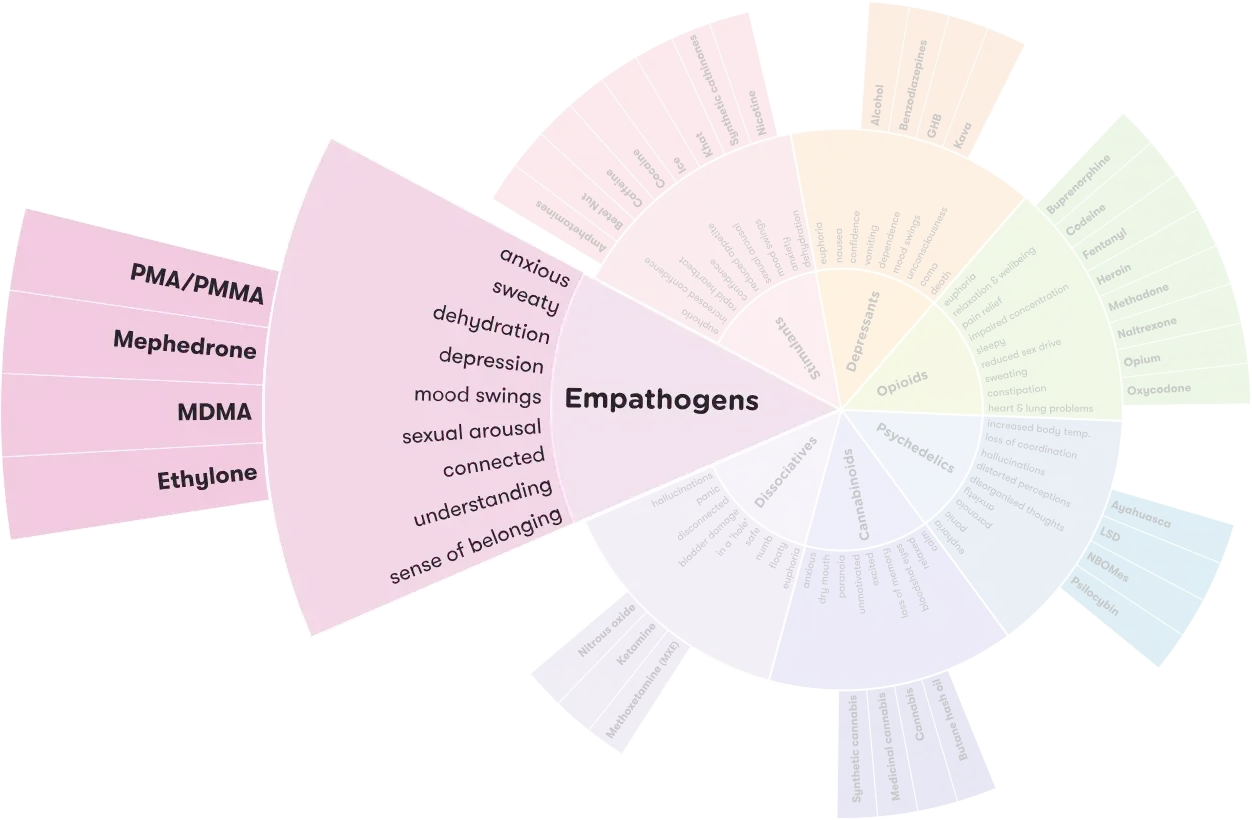
How is MDMA used?
MDMA is usually swallowed but can also be snorted, inserted rectally or injected.4
Effects of MDMA
The use of any drug can have risks. It’s important to be careful when taking any type of drug.
MDMA affects everyone differently, based on:
- size, weight and health
- whether the person is used to taking it
- whether other drugs are taken around the same time
- the amount taken
- the strength of the drug (varies from batch to batch)
- environment (where the drug is taken).
Onset and duration of effects
The effects of MDMA are usually felt about 20 minutes to an hour after it’s taken and last for around three to four hours.3 The height of this experience is sometimes known as ‘peaking’.
Effects
You may experience:
- euphoria
- feeling energetic and confident
- dilated (enlarged) pupils
- jaw clenching and teeth grinding
- heightened senses (sight, hearing and touch)
- excessive sweating and skin tingles
- muscle aches and pains
- reduced appetite
- fast heartbeat
- increased blood pressure
- dehydration
- heat stroke
- feeling the need to drink excessive amounts of water (can cause death).3, 5, 6
If you take a large amount or have a strong batch of MDMA, you may also experience:
- floating sensations
- perceptual changes, such as visual and auditory hallucinations
- out-of-character or irrational behaviour
- anxiety
- irritability, paranoia and aggression
- vomiting
- high body temperature
- racing heartbeat
- convulsions.5, 6
MDMA, dehydration and overheating
MDMA is taken by some people at festivals, parties, and nightclubs. In these environments, people using MDMA are likely to be dancing in crowded or hot spaces, which in combination with MDMA can raise body temperature to dangerous levels.7
It is important people take regular breaks to cool down and drink around 250-500ml of water per hour depending on how active they are.
Drinking too much water while taking MDMA is dangerous. Deaths have occurred from dilutional hyponatremia — a condition where your brain swells from drinking too much water. This can cause coma or death.7
Serotonin syndrome
Serotonin is a chemical in the body that influences mood and can make you feel good.8
Some legal and illegal drugs increase your serotonin levels.8
Taking one or more drugs which increase serotonin levels can cause serotonin syndrome – a condition where there is too much serotonin in your body.
Mixing MDMA with antidepressants (MAOI or SSRI), DXM (cough syrup), or 5-HTP (serotonin supplement) increases the risk of serotonin syndrome significantly.8
Mild forms of serotonin syndrome may go away within one to two days after someone stops taking the drug that caused it. But severe serotonin syndrome can be life threatening and needs medical attention.
The symptoms can be confused with some of the common effects of MDMA. Stay mindful of the symptoms below so that you can seek help if you or someone else may need it:
- confusion
- agitation
- overheating (hyperthermia)
- shivering, tremors
- muscle stiffness
- excessive sweating
- racing heart
- diarrhoea
- respiratory failure
- seizures
- coma
- death.8
Impact of mood and environment
Drugs that affect a person’s mental state (psychoactive drugs) can also have varied effects depending on a person’s mood (often called the ‘set’) or the environment they are in (the ‘setting’):
- Set: a person’s state of mind, previous encounters with psychedelic drugs, and expectations of what’s going to happen. For example, feelings of stress or anxiety before using MDMA may result in an unpleasant experience.9
- Setting: the environment in which someone consumes MDMA – whether it’s known and familiar, who they’re with, if they’re indoors or outdoors, the type of music and light. For example, using MDMA in a calm, quiet and relaxed environment can lead to, or contribute to, a pleasant experience but being in a noisy, crowded place may result in a negative experience.9
Being in a good state of mind, with trusted friends and a safe environment before taking MDMA reduces the risk of having an unpleasant experience.
Overdose
If you take a large amount of MDMA or use a strong batch, you could overdose.
Your risk of overdose can also increase if you mix MDMA with alcohol or other drugs, including medications.
MDMA overdose can cause death10
Call triple zero (000) and request an ambulance if you or someone else has any of the following symptoms (emergency services are there to help and can provide more instructions).
Signs of an MDMA overdose can include:
- passed out and non-responsive
- spasms or seizures
- heart attack symptoms such as:
- difficulty breathing
- sharp pain/discomfort in chest, arm, shoulder, back, neck, or jaw
- severe agitation, confusion, or panic
- racing heartbeat
- very high body temperature (hyperthermia)
- hot, flushed (red), or sweaty skin
- very large pupils.6, 11-13
Mixing with other drugs
Mixing MDMA with other drugs can have unpredictable effects and increase the risk of harm. Mixing includes using more than one drug (including alcohol or medications) at the same time, or one after another. You should also consider what drugs you’ve taken in the last 24 hours.
- MDMA and depressants/opioids (such as alcohol/benzodiazepines/oxycodone): MDMA can hide the effects of other drugs, cause dehydration, and increase risks such as seizures (with tramadol), and excessive water consumption.
- MDMA and antidepressants (MAOIs): greatly increases the risk of serotonin syndrome. MAOIs have a much higher risk of harm when mixed with MDMA compared to other antidepressants. MAOIs can last up to two weeks within the body after stopping treatment. This means taking MDMA within this period can potentially be life threatening.
- MDMA and antidepressants (SNRIs, SSRIs, TCAs): can increase the risk of serotonin syndrome. SSRIs may also decrease the effects of MDMA.
- MDMA and cannabis/nitrous oxide/LSD/psilocybin (magic mushrooms): can intensify the effects of these drugs, leading to heightened psychedelic experiences, anxiety, confusion, paranoia, or nausea.
- MDMA and stimulants (such as methamphetamine (ice), cocaine): heightens risk of anxiety, heart strain, psychosis, and potential death. Cocaine may also reduce MDMA's desired effects.2, 14-18
Using more than one drug or type of drug at the same time is also called polydrug use.12
More on Polydrug use
Polydrug use is a term for the use of more than one drug or type of drug at the same time or one after another. Polydrug use can involve both illicit drugs and legal substances, such as alcohol and medications.
Reducing harm
There are ways in which you can reduce the risk of harm with using MDMA.
- Start low, go slow – try a little bit first to see how you feel. Wait at least 2 hours before deciding whether to take more.
- Test your drugs if there is an available drug checking (pill testing) service near you, to find out what the drugs contain and how strong they are.
- Check medication interactions – MDMA may interact with other medications you take such as antidepressants or opioid painkillers, which can increase your risk of serotonin syndrome.
- Take regular breaks to cool down – this reduces the risk of overheating and can lower heart rate.
- Use of MDMA is safer on cooler days or during the evening – temperatures above 25℃ increase the risk of overheating.
- Drink around 250ml to 500ml of water per hour to avoid dehydration and prevent water intoxication (hyponatremia) – a potentially fatal condition caused by drinking too much water.
- Let a friend know what you’ve taken – so they can help if you’re unwell.
- Don’t operate machinery, drive, or swim
- Wait one to three months between each time you use MDMA, to give the brain time to restore serotonin levels and avoid toxicity.14, 15, 19-21
If snorting
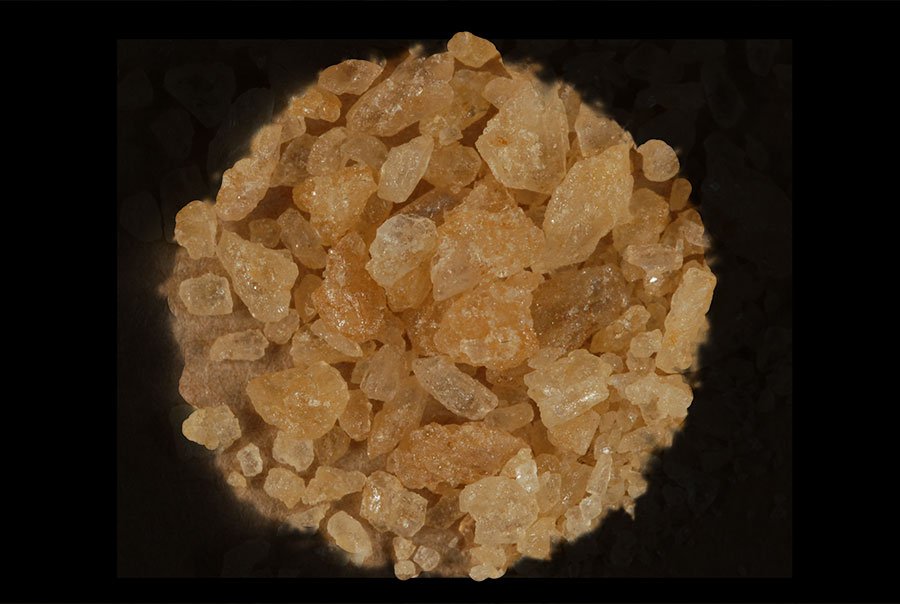
- Crush into a fine powder as crystals can cause cuts.
- Rinse your nose with water before and after use to protect your nose from irritation.
- Use your own straw, or a disposable one, and avoid money notes to reduce the risk of infections or transmission of viruses like HIV or Hep C.
- Switch nostrils and take breaks to avoid nasal damage.14, 15, 19-21
If injecting
- Always use new needles – never share needles or other injecting equipment. Use your own spoon/cup and tourniquet. Use new barrels, filters, sterile water, and swabs. Safely dispose of used equipment.
- Visit a needle and syringe program for sterile equipment, disposal of used equipment, and expert medical advice.14, 15, 19-21
Coming down
In the days after MDMA use, you may experience:
- trouble sleeping and exhaustion
- anxiety, irritability and depressed feelings
- paranoia (feeling extremely suspicious and frightened)
- difficulty concentrating.3, 5, 6
The use of depressant drugs such as alcohol, benzodiazepines or cannabis to help with these ‘come down’ effects, may result in dependence on both types of drugs.
Long-term effects
Long-term effects can vary depending on how much and how often MDMA is consumed. Regular use may eventually contribute to:
- reduced immune function (regular colds and flu)
- depression
- needing to use more to get the same effect
- memory and concentration problems
- liver problems.3, 5
MDMA and mental health
The relationship between MDMA and mental health is complex.
In clinical settings, MDMA-assisted therapy may help to reduce the symptoms of treatment-resistant post-traumatic stress disorder (PTSD). MDMA alone doesn’t treat PTSD, but it may help to improve the outcomes you experience from therapy sessions with a qualified health professional.22, 23
Illicit MDMA use is associated with an increased risk of experiencing anxiety or depression. In rare cases, MDMA use has been associated with drug-induced psychosis.23
The risks of experiencing mental health harms when using MDMA increase when it is used more often or a lot is taken.23
Tolerance
Regularly taking MDMA can lead to developing a tolerance, which means you need to take larger amounts to get the same effects.
This tolerance develops from the first dose you take, meaning re-dosing on the same night is also less effective.2
MDMA has a cross-tolerance with other stimulants, meaning that after taking MDMA, all stimulants will have reduced effects.2
People who use MDMA have reported it can take up to a few months for tolerance to MDMA to return to normal.2
Dependence
People who regularly use MDMA may become dependent. They may feel they need to use MDMA to go about usual activities like working, studying and socialising, or just to get through the day.2, 24
Withdrawal
Withdrawal refers to the symptoms that can occur when someone who is dependent on a drug, or who has been using it regularly over time, stops or reduces their use.25
Withdrawal can include physical symptoms (such as headaches, or nausea) and psychological symptoms (such as anxiety, or depressed mood).25
Withdrawal symptoms
Symptoms - including how strong they are and how long they last - will vary depending on the type of drug and a person’s history of use.25
Reducing, or stopping using MDMA after a period of regular use can lead to withdrawal symptoms, including:
- cravings for MDMA
- anxiety
- depression
- aches and pains
- exhaustion
- trouble sleeping
- agitation
- trouble concentrating
- nausea
- reduced appetite
- reduced sex drive.24
Pregnancy and breastfeeding
There isn’t enough information to know how MDMA can affect pregnancy and breastfeeding. Because of this, it’s recommended to avoid using MDMA if you’re trying to get pregnant, are pregnant, or are breastfeeding.
One growing area of research is the use of MDMA in the treatment of postnatal depression.26, 27 The effectiveness of MDMA-assisted therapy relies on it being provided in a carefully controlled clinical setting, where treatment is regulated and administered by qualified health professionals. Consult with your healthcare provider to see if MDMA therapy could meet your needs.
Getting help
If your use of MDMA is affecting your health, family, relationships, work, school, financial or other life situations, or you’re concerned about someone, there is help and support.
- Call the National Alcohol and Other Drug Hotline on 1800 250 015 for free and confidential advice, information and counselling about alcohol and other drugs
- Use the confidential Path2Help portal to get matched with information and services specific to your needs
- Search our Help and Support directory to find your preferred support, by adding your location or postcode and filtering by service type.
Path2Help
Not sure what you are looking for?
Try our intuitive Path2Help tool and be matched with support information
and services tailored to you.

Federal and state laws provide penalties for possessing, using, making or selling MDMA, or driving under its influence.
From July 1, 2023, the TGA rescheduled MDMA to be a Schedule 8 (prescription-only) medicine. It can be prescribed by a psychiatrist who is an authorised prescriber.23
Currently, there are no TGA-approved MDMA products listed on the Australian Register of Therapeutic Goods (ARTG). And few psychiatrists who are authorised to prescribe.23
See also, drugs and the law.
Australians aged 14 years and over:
- 13.6% have used MDMA one or more times in their life
- 2.1% have used MDMA in the last year
- the average age a person first tries MDMA is 21.7 years.28
Young people aged 12-17 years old:
- most don’t use MDMA – 96.8% have never tried it
- only 3.2% of 12-17 year olds have tried MDMA one or more times in their life.29
- European Monitoring Centre for Drugs and Drug Addiction. Drug profiles: glossary Empathogens [Internet]. 2018 [cited 2026 May 15]
- Psychonaut Wiki. MDMA. [Internet]. 2024. [cited 2026 May 15]
- Campbell A. The Australian illicit drug guide: every person's guide to illicit drugs - their use, effects and history, treatment options and legal penalties [e-book]. Melbourne: Black Inc; 2001 [cited 2026 May 15].
- Sutherland R, Karlsson A, Uporova J, Palmer L, Tayeb H, Chrzanowska A, et al. Australian Drug Trends 2025: Key Findings from the National Ecstasy and Related Drugs Reporting System (EDRS) Interviews. [Internet]. 2025. [cited 2026 May 15]:141.
- Brands B, Sproule B, Marshman J. Drugs & drug abuse [e-book]. 3rd ed.: Toronto: Addiction Research Foundation; 1998 [cited 2026 May 15].
- Upfal J. Australian drug guide: the plain language guide to the top 300 drugs and medicines, plus more [e-book]. Ninth edition ed. Collingwood, Vic.: Black Inc.; 2022 [cited 2026 May 15].
- Moritz ML, Kalantar-Zadeh K, Ayus JC. Ecstacy-associated hyponatremia: why are women at risk? Nephrology Dialysis Transplantation [Internet]. 2013. [cited 2026 May 15];28(9):2206–9.
- Mikkelsen N, Damkier P, Pedersen S A. Serotonin syndrome—a focused review. Basic & Clinical Pharmacology & Toxicology [Internet]. 2023. [cited 2026 May 15];133(2):124–9.
- Nutt DJ. Drugs without the hot air : making sense of legal and illegal drugs [e-book]. Revised & updated second edition. [International territories version]. ed. Cambridge: UIT Cambridge Ltd.; 2020 [cited 2026 May 15].
- Roxburgh A, Lappin J. MDMA-related deaths in Australia 2000 to 2018. International Journal of Drug Policy [Internet]. 2020. [cited 2026 May 15];76:6.
- Heart Foundation. Heart attack warning signs. [Internet]. 2024. [cited 24.04.2025]
- Darke S, Lappin J, Farrell M. The clinician's guide to illicit drugs and health [e-book]. Silverback Publishing; 2019 [cited 2026 May 15].
- Schuckit MA. Drug and alcohol abuse : a clinical guide to diagnosis and treatment [e-book]. 6th ed. New York, NY: Springer; 2006 [cited 2026 May 15].
- Hi-Ground. MDMA. [Internet]. n.d. [cited 2026 May 15].
- Harm Reduction Victoria. MDMA. [Internet]. n.d. [cited 2026 May 15].
- Dobry Y, Rice T, Sher L. Ecstasy use and serotonin syndrome: a neglected danger to adolescents and young adults prescribed selective serotonin reuptake inhibitors. Int J Adolesc Med Health [Internet]. 2013. [cited 2026 May 15];25(3):193–9.
- Price CM, Feduccia AA, DeBonis K. Effects of Selective Serotonin Reuptake Inhibitor Use on 3,4-Methylenedioxymethamphetamine–Assisted Therapy for Posttraumatic Stress Disorder: A Review of the Evidence, Neurobiological Plausibility, and Clinical Significance. Journal of Clinical Psychopharmacology [Internet]. 2022. [cited 2026 May 15];42(5):464–9.
- Edinoff AN, Swinford CR, Odisho AS, Burroughs CR, Stark CW, Raslan WA, et al. Clinically Relevant Drug Interactions with Monoamine Oxidase Inhibitors. Health Psychol Res [Internet]. 2022. [cited 2026 May 15];10(4):39576.
- Giulini F, Keenan E, Killeen N, Ivers J-H. A Systematized Review of Drug-checking and Related Considerations for Implementation as A Harm Reduction Intervention. Journal of Psychoactive Drugs [Internet]. 2023. [cited 2026 May 15];55(1):85–93.
- Dance Safe. What is MDMA? [Internet]. 2022. [cited 2026 May 15].
- Drug Science. MDMA (Ecstasy). [Internet]. 2026. [cited 2026 May 15].
- Morgan L. MDMA-assisted psychotherapy for people diagnosed with treatment-resistant PTSD: what it is and what it isn’t. Annals of General Psychiatry [Internet]. 2020. [cited 2026 May 15];19(1):33.
- Wolfgang Aaron S, Fonzo Gregory A, Gray Joshua C, Krystal John H, Grzenda A, Widge Alik S, et al. MDMA and MDMA-Assisted Therapy. American Journal of Psychiatry [Internet]. 2025. [cited 2026 May 15];182:79–103.
- Drugs.com. MDMA. [Internet]. 2026. [cited 2026 May 15]
- NSW Ministry of Health. Management of Withdrawal from Alcohol and Other Drugs: Clinical Guidance. [Internet]. 2022. [cited 2026 May 15]
- Stein C, Penn A, Van Hope S, Dorsen CG, Mangini M. The pharmacology and clinical applications of psychedelic medicines within midwifery practice. Journal of Midwifery & Women's Health [Internet]. 2022. [cited 2026 May 15];67(3):373–83.
- Jairaj C, Rucker JJ. Postpartum depression: A role for psychedelics? Journal of Psychopharmacology [Internet]. 2022. [cited 2026 May 15];36(8):920–31.
- Australian Institute of Health and Welfare. National Drug Strategy Household Survey 2022-23: Ecstasy in the NDSHS. [Internet]. 2024. [cited 2026 May 15]
- Scully M, Bain E, Koh I, Wakefield M, Durkin S. ASSAD 2022/2023: Australian secondary school students’ use of alcohol and other substances. [Internet]. Centre of Behavioral Research in Cancer (VIC): Cancer Council Victoria; 2023. [cited 2026 May 15]