June 4, 2025
Why older adults have a high risk of alcohol and drug harm and how to support them
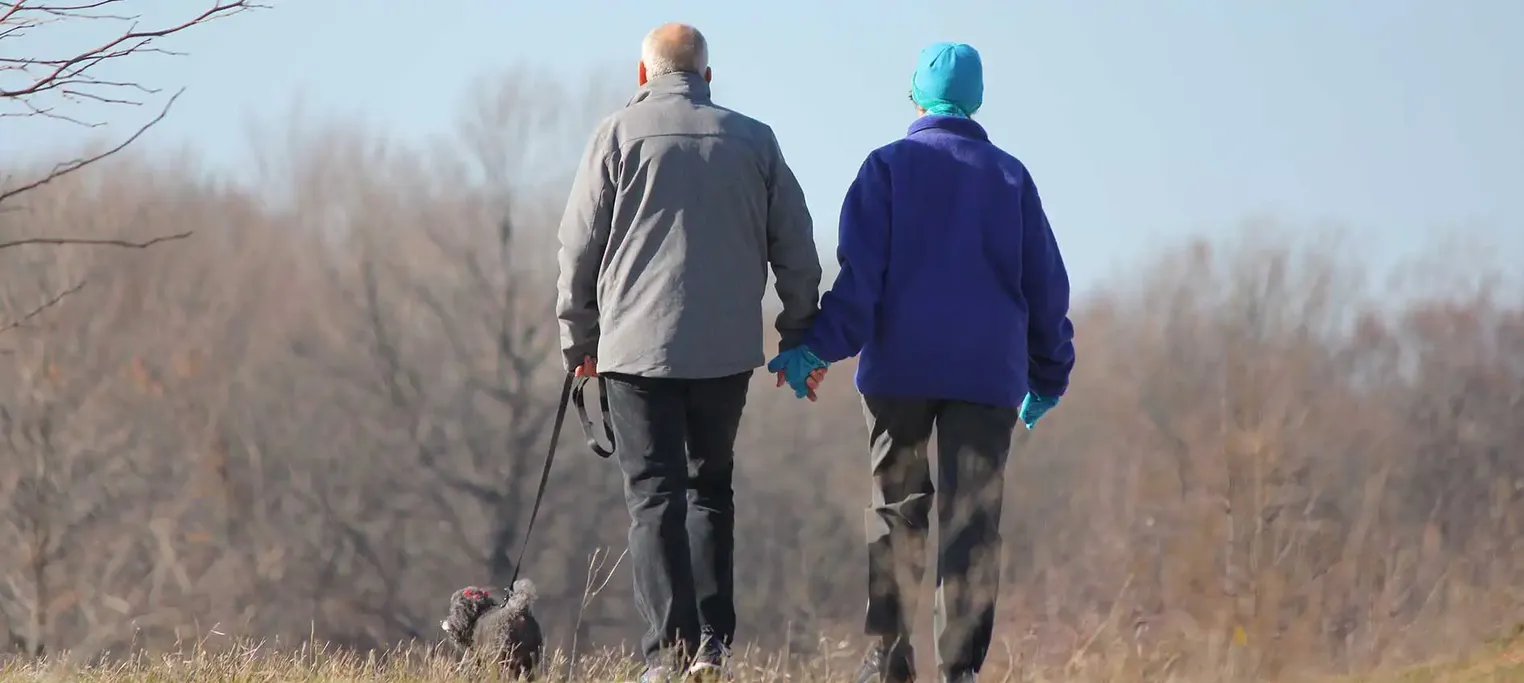
This article explores the groups of older adults in Australia who are more likely to experience alcohol and other drugs (AOD) harms, and the types of substances they use.
It also provides tips for family and friends on how to support people in their life who might be at risk.
Older people (aged over 50 years) are a large group of Australians, with varying health issues, life experiences and living situations.
These differences shape how they use AOD and the harms that may come from it.1
Growing drug use among older Australians
We know that alcohol use is common among older adults and this pattern has been steady over the last 20 years.2
But what’s surprising is that in the same timeframe, the number of older Australians using illicit drugs has more than doubled.2
Illicit drug use includes:
- non-medical use of pharmaceutical drugs such as opioid-based pain relief medications, benzodiazepines, etc. (Non-medical use means using drugs that you don’t have a script for or using it in a way that’s different from how you’re prescribed.)
- illegal drugs such as cocaine, heroin and amphetamine-type stimulants
- other legal or illegal psychoactive substances, including inhalants like petrol, paint or glue.3
This rise in illicit drug use may be linked to the fact that today’s older generation started using drugs earlier in life, compared to previous generations.4
While some people do begin using drugs later in life, many older Australians are continuing to use substances that they’ve been taking for years.
Why do older adults drink or use other drugs?
Older adults use alcohol and other drugs for various reasons, similar to most Australians.
For some, it’s about relaxation, fun or curiosity. For others, substances might be a way to cope with big life changes like retirement, grief and loss, declining health, or a change in living situation.2,5,6
Some may also increase their medication dose without consulting a doctor. They may do this to get stronger or longer-lasting effects for health issues.7
Read more about the patterns of AOD use among older Australians.
Why is AOD use among older Australians a concern?
Every day, there are about 129 AOD-related hospitalisations among older Australians.2
AOD use can be especially harmful for older adults as it can make health issues like heart disease, dementia, diabetes and cancers worse. It can also increase the risk of falls and cognitive decline.8-10
Many common medications prescribed to older adults also interact dangerously with alcohol and illicit drugs.8-10
What’s worrying is that over the past 20 years, AOD-related deaths among older Australians have been on the rise.
As of 2021, this rate is nearly double that of Australians of all ages.2
What drugs cause the most harm for older people?
Some drugs are more concerning than others because of the serious harms they can cause.
Alcohol
Older adults often think their drinking habits are safe.9 But, alcohol use among older Australians:
- causes four out of five AOD-related hospitalisations
- makes up 60% of AOD-related deaths.2
Alcohol-related hospitalisation rates among older adults increased by more than five times in the last 20 years. This was mainly due to harmful use (above the Australian guidelines).2
Australians in their 50s and 60s are also more likely than the general population to drink more than the recommended amounts.11
The Australian alcohol guidelines recommend no more than 10 standard drinks per week and 4 standard drinks on any one day.
Drinking more than these amounts increases the risk of alcohol-related harms like disease, cancer and injuries.
Opioids and/or benzodiazepines
Out of all the drug types, opioids caused the most overdose deaths among older Australians in 2021 – a total of 399 deaths.
Natural and semi-synthetic opioids – which are the types commonly found in medications like oxycodone and morphine – were responsible for around 64% of opioid poisoning hospitalisations and 57% of opioid overdose deaths.2
Benzodiazepines (e.g. Valium® and Xanax®) accounted for 310 deaths.2
The highest rate of death was in the 50–59 age group. And there's also been a rise among those 80 and older.2
Many older Australians are prescribed opioids and benzodiazepines to manage various health issues,11 so it’s crucial to know how to take these medications safely.
Amphetamine-type stimulants
Older Australians rarely use amphetamine-type stimulants like MDMA (ecstasy) and methamphetamine (crystal meth). But, hospitalisations and deaths linked to this drug type have risen about 13 times over the last 20 years.2
The increase in hospitalisations was largely in the 50-59 age group.2
Who is most at risk?
Biological differences, social influences, and other factors can affect your risk of AOD harms.1
Being in your 50s
Australians in their 50s experience the highest rates of hospitalisations and deaths from AOD use out of all older Australians.2
Interestingly, the Household, Income and Labour Dynamics Survey reveals that life satisfaction (an indicator of psychological wellbeing) for older Australians is lowest for those aged 50-59. This steadily improves as they get older.12
This may be linked to major life changes that occur in the 50s, like kids moving out, health issues, or family separation and divorce. These life changes can increase the risk of AOD harms.2
Being male
Older men are:
- hospitalised more often than women for AOD use
- twice as likely to die from AOD-related harms than women.2
Historically, men consume more alcohol and other drugs than women.
The reasons for this are complex.
For example, some groups of men may see drinking as a sign of masculinity and a way to connect with their peers.
Women, on the other hand, might drink less because of potential judgement from others. This is likely a result of society's traditional gender roles, which often expect women to be the responsible primary caregiver.13
How can I support an older adult to reduce their risk?
In 2021, about four in five drug-induced deaths among older Australians took place at home.2
This shows that having support close to home is an important factor in reducing AOD harms.
By providing a supportive environment and being aware of potential risks, family members and friends can play a central role in the wellbeing of older adults.
You could:
- Stay in touch: regularly check in on older relatives or friends to see how they're doing.
- Stay alert for signs of distress and potential risks: these may include thoughts about suicide, increased substance use, relationship issues, complicated grief, or feelings of depression and anxiety. If you notice they’re having a hard time or feeling alone, ask how you can help. You could also suggest they talk to their GP or another health professional.
- Offer emotional support: talk to them about how they're coping with any significant changes in their life. When bringing up these concerns, be curious and non-judgemental. To have an open and honest conversation, it can be really helpful to understand that stigma around mental health and AOD use can make older adults reluctant to share their struggles.
- Encourage healthy social habits: help them to stay involved with social groups/activities, even if it’s just for a short while each time. Invite them along to family get togethers, or other community events.
- Provide medication management support: chat to them about their medications, as managing complex routines can be difficult. You can help them understand how best to use them, if there are any interactions with other drugs, and the side effects to look out for. If you need support, you can speak with your local pharmacist or call the Medicines Line on 1300 633 424 (9am-5pm AET).
- Australian Institute of Health and Welfare. Older Australians. 2024. [2025 Feb 11]
- Sutherland R, Chrzanowska A, Prael G, Rawlings L, Costello E, Martin C, et al. Trends in Substance Use and Related Harms Among Australians Aged 50 years and older. Sydney: National Drug and Alcohol Research Centre, UNSW Sydney. 2024. [2025 Feb 11]
- Australian Institute of Health and Welfare. Illicit drug use. 2024. [2024 Nov 12]
- Akwe J, Moussa M, Hall MAK. Use, Effects, and Diagnostic Challenges of Cocaine Use in “Baby Boomers” and Older Adults. Journal of Brown Hospital Medicine. 2023 [2025 Feb 11]
- Nicholas R, & Roche, A.M. . Why the growing use of alcohol and other drugs among older Australians needs attention. Adelaide, South Australia: National Centre for Education and Training in Addiction (NCETA), Flinders University. 2014. [2025 Feb 11]
- Department of Health and Aged Care. National Drug Strategy 2017-2026. Canberra, ACT. 2017. [2025 Feb 11]
- Australian Institute of Health and Welfare. Alcohol, tobacco & other drugs in Australia: Pharmaceuticals. 2024. [2025 Feb 11]
- Bareham BK, Kaner E, Spencer LP, Hanratty B. Drinking in later life: a systematic review and thematic synthesis of qualitative studies exploring older people's perceptions and experiences. Age and ageing. 2019;48(1):134-46. doi: 10.1093/ageing/afy069. [2025 Feb 11]
- Chapman J, Harrison N, Kostadinov V, Skinner N, Roche A. Older Australians' perceptions of alcohol-related harms and low-risk alcohol guidelines. Drug and Alcohol Review. 2020;39(1):44-54. doi: 10.1111/dar.13022. [2025 Feb 11]
- Page AT, Falster MO, Litchfield M, Pearson S-A, Etherton-Beer C. Polypharmacy among older Australians, 2006-2017: a population-based study. Medical Journal of Australia. 2019;211(2):71-5. doi: 10.5694/mja2.50244. [2025 Feb 11]
- Australian Institute of Health and Welfare. Alcohol, tobacco & other drugs in Australia: Older people. 2024. [2025 Feb 11]
- Qu L, Vaus Dd. Life satisfaction across life course transitions. Australian Institute of Family Studies. 2015. [2025 Mar 4]
- Roberts S, Ralph B, Elliott K, Robards B, Savic M, Lindsay J, et al. Exploring men’s risky drinking cultures. 2019 [2025 Mar 24]