Illegal drugs
It is illegal to drive with any trace of illicit drugs in your system.
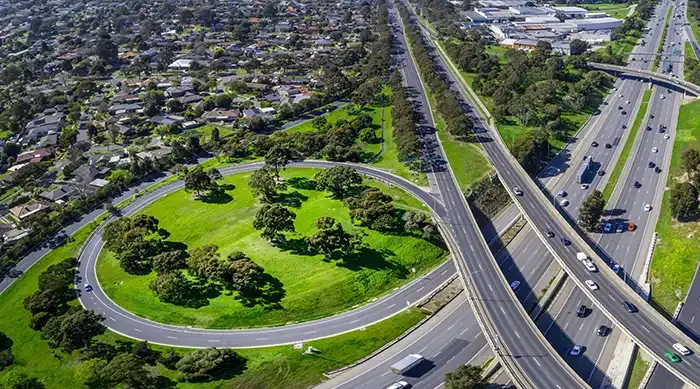
Random roadside drug testing is common - in 2022, Australian police conducted 458,133 roadside drug tests for banned drugs.26
If you are caught drug driving in Victoria:
- You will lose your licence for at least six months and receive a $611 fine.
- You must complete a drug driver program within the first three months of your suspension to avoid losing your licence or learner permit.
- You must have a BAC of 0.0 while driving for up to three years, if your license is returned
- It could result in a recorded conviction if you go to court. This can have a range of negative consequences, such as restrictions on overseas travel and appearing on criminal history checks.5,27,38
Police do not need a saliva test handy – if they suspect someone is affected, they will conduct an impairment test. If you fail this test, they can send you for a urine or blood test to confirm the results.13
If you pass a saliva test because you are under the influence of a substance that is not detected by the test, police can still ask you to complete an impairment test if they suspect you are under the influence of something else.13
Drugs impair driving ability in different ways.
Depressant drugs slow down the messages between the brain and body.19,39 These include GHB and opioids such as heroin.
Effects of depressants that impair driving include:
- reduced reaction times
- reduced concentration
- drowsiness, passing out
- difficulty processing information.19
Combining different depressant drugs, including alcohol, can strengthen these effects and make driving extremely dangerous.19
Dissociative drugs, such as ketamine, cause people to feel separated or detached from their body or physical environment.
Effects of dissociatives that impair driving include:
- feeling detached from your body/environment
- visual and auditory hallucinations
- blurred vision
- confusion and clumsiness
- drowsiness
- anxiety and panic.40
Psychedelics, including LSD, magic mushrooms and mescaline, affect mood, perception and cognitive processes.41
MDMA and cannabis may also have some hallucinogenic effects at high doses.42
Taking these drugs can lead to seeing or hearing things that aren't really there or experiencing real things in a distorted way.43
Effects of psychedelics that impair driving include:
- hallucinations
- confused thinking
- blurred vision
- reduced coordination.44
Stimulant drugs, including amphetamines and cocaine, ‘speed up’ the body’s activity.19
Effects can include increased heart rate and blood pressure, anxiety and increased confidence.19 On the road this can lead to:
- attention difficulties
- tendency to fidget
- aggressive and dangerous driving
- increased risk taking
- over-confidence in driving skills.45
Methamphetamine (ice) can affect the way a person scans the road, making it harder to notice important things around them.46 It has also been linked to a much higher chance of being responsible for a crash, even when it is only present in low levels in the body.47
Combining different stimulants can strengthen effects - making driving even more dangerous. It also puts greater strain on the body and increases the risk of psychosis, anxiety and panic attacks.48