Medications
Some prescription and over-the-counter medications can impair your concentration, reaction time and coordination – affecting driving ability.11
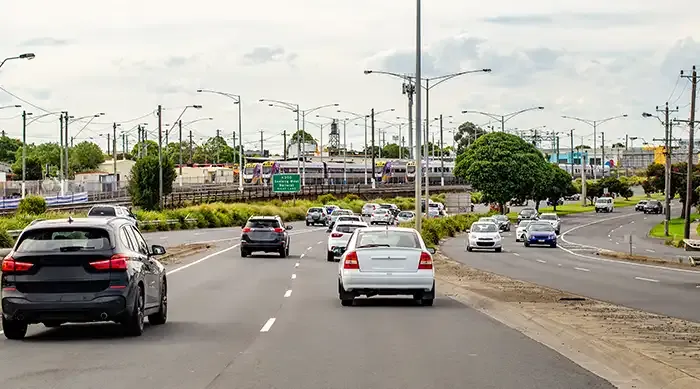
It is important to always take medications prescribed by your doctor or health specialist, especially if you are managing or treating a health condition. But keep in mind that some medications can have side effects that impact driving, such as drowsiness or dizziness.11
Non-prescribed use of medications can increase the risk of side effects and harm.12
Non-prescribed use includes:
- taking more than the prescribed amount or taking it more frequently
- using prescription-only medication when it was not prescribed for you
- sharing prescription medication with others
- combining your medication with other drugs, including alcohol
- not following prescriber instructions.12
Everyone responds to medications differently - help keep yourself and others safe on the road by:
- reading medication labels (some have driving related warnings)
- asking your prescriber or pharmacist about any driving related risks and following their advice
- being careful when starting new medication (as your body may need time to adjust)11
- planning ahead and using other transport if you’re feeling unwell or unsure about how a medication is affecting you.
Combining medications with alcohol, other drugs or other medicines can increase driving impairment and risk. Talk to your doctor about potential interactions and make sure they are aware of all your medications.
In some states, including Victoria, if police believe you were driving while impaired by a medicine, you can be charged. You’ll need to prove you took the medication exactly as prescribed.13
Visit the NPS MedicineWise website to find out more about medication side effects and impacts on driving.
Antidepressants are prescribed for a range of mental health conditions.
Some antidepressants have side effects that impact driving ability and can increase crash risk. These effects occur most often when starting a new medication, and usually decrease as the body adjusts.14,15
Antidepressants affect everyone differently. Some side effects that can impair driving include:
- headaches and dizziness
- nausea
- anxiety or restlessness
- difficulty sleeping, or excessive sleepiness.14,15
If these symptoms continue for many weeks, speak to your doctor.15
Combining antidepressants with other drugs can increase the risk of impairment. For example, mixing with benzodiazepines further reduces concentration and alertness.16
Stopping antidepressants suddenly can cause withdrawal symptoms that can affect your ability to drive safely. These include:
- dizziness
- anxiety or agitation
- nausea or vomiting
- confusion.14,15
Talk to your doctor about how to taper (gradually reduce) your medicine safely if you want to stop taking it. This lowers the chance of experiencing withdrawal symptoms.14,15
Speak with your doctor about any concerns you have. Treatment plans should support both your mental health and safety on the road.
Antipsychotics are primarily prescribed to treat psychotic disorders.
For some people experiencing psychosis, antipsychotic medications can help improve driving by managing symptoms that affect thinking and awareness.17
But many antipsychotics can cause drowsiness - impairing driving. Drowsiness occurs most often when starting treatment or increasing the dose.17
Newer medications like aripiprazole and risperidone are less likely to cause drowsiness than older ones, such as clozapine and olanzapine.17
Some people taking antipsychotics long-term may still have difficulties with coordination and quick reactions while driving.11
Talk to your doctor about how your medication might affect your driving and follow their advice.
Benzodiazepines are medicines prescribed for anxiety and sleep problems. Benzodiazepine effects that can affect driving include:
- drowsiness
- slowed reaction times
- difficulties concentrating.
Effects are most noticeable when you first start taking them. Some people get used to these effects over time, but this is different for everyone.11,18,19
Taking more than the recommended dose makes the risk of accidents much higher.20
Mixing benzodiazepines with other drugs increases driving risks. Combining benzodiazepines and other depressants, such as alcohol, is very dangerous - even with small amounts. This combination can greatly affect your coordination and judgement. It can impact your driving ability as much as being over the legal alcohol limit.18,20
Talk to your doctor or pharmacist about how benzodiazepines might affect your driving.
Cannabis and cannabis-based medicines (cannabinoids) are prescribed to help manage a range of health conditions. Some of these products contain THC - the chemical responsible for most of the psychoactive effects of cannabis.21
THC can slow down your reaction time, affect coordination, and make it harder to concentrate. This can make driving unsafe.22
Using cannabis or THC products can affect your ability to drive safely, even if only a small amount is used. Driving skills can be affected many hours after consumption.23,24
Driving with any THC in your system is against the law in most Australian states and territories, even if prescribed by a doctor. Talk to a health professional about how your medical cannabis might affect your ability to drive.21,25
In 2022, Australian police conducted 458,133 roadside drug tests for banned drugs, including THC.26
If you are caught with cannabis in your system in Victoria:
- You will lose your licence for at least six months.
- You will receive a $611 fine.
- You must complete a drug driver program within the first three months of your suspension to avoid losing your licence or learner permit.
- You must have a BAC of 0.0 while driving for up to three years, if your license is returned.5,27
There are different approaches in other Australian states/territories.
In Victoria:
- The Department of Health recommends that people taking medicinal cannabis products with THC avoid driving or using heavy machinery.21
- People who use medical cannabis don’t automatically lose their licence if THC is found in their system, but it is still illegal to drive with THC, and you will need to go to court to discuss your case.
- Driving while impaired will still lead to automatic licence loss.28,29
In Tasmania it is legal to drive with THC in your system if it has been prescribed, and you are not impaired while driving.25
Across Australia, people taking CBD-only medicines can legally drive, as long as they are not impaired.28
Visit the Therapeutic Goods Administration website for state and territory regulator information.
It is important for anyone using cannabis, including medicinal cannabis products, to understand how it can affect their driving so they can make safe choices for themselves and others on the road.
Prescription opioids like codeine or oxycodone are prescribed for pain.
They slow down messages between the brain and body, making it harder to think clearly or react quickly, especially when you first start taking the medication.30
The body will usually get used to the medicine after a short time. Most people on a regular, stable dose are not at higher risk of having a car crash.30
This also applies to people taking medications like methadone or buprenorphine as part of treatment for opioid dependence. As long as your dose has been stable for a few weeks and you are not using other drugs that could affect your thinking or reflexes, driving should be safe.30
Driving at night may be more difficult for some people because opioids can make the pupils of the eyes smaller, which can limit peripheral (side) vision.30
Anyone taking prescription opioids should talk to their doctor about how the medicine could affect their driving and make a plan to stay safe on the road.
Prescription stimulants like dexamfetamine, lisdexamfetamine (Vyvanse®), and methylphenidate (Ritalin®) are used to treat health conditions like ADHD.
These medications can improve focus and attention - but they can affect people differently. Some people experience side effects, so it is important to regularly check in with your doctor to make sure the medication is working well for you.31, 32
When taken as prescribed, stimulant medications are generally safe for driving. For many people with ADHD, these medicines improve driving ability. Research shows that methylphenidate can boost attention, reaction time, and coordination during stressful situations.32-34
Dexamphetamine may affect driving if taken in high doses or when mixed with other substances like alcohol. It does not improve your driving if you are tired. Or reduce the effects of alcohol on your driving.35-37
The best way to stay safe on the road is to speak with your doctor about how your medication affects you.
Assessing fitness to drive
In Australia, all drivers need to meet certain medical standards to ensure that the condition of their health doesn’t increase the risk of a crash.17
Medical standards, Assessing Fitness to Drive, have been developed by the National Transport Commission and Austroads.17
These guidelines are used by all licensing authorities when assessing a licence holder’s medical fitness to drive.17
Their aim is to assist drivers with medical conditions or disabilities to continue to drive safely, independently and legally. They also help identify if the driver and/or public safety may be at risk.17
Staying safe
If you’re unsure whether any medications you’re taking might affect your driving, have a chat with your doctor or prescriber about it.
For more information, check the road traffic authority in your state or territory:
- Australian Capital Territory – Medical conditions and fitness to drive
- New South Wales – Medical fitness to drive
- Northern Territory – Medical fitness to drive
- Queensland - Medical fitness to drive
- South Australia – Fitness to drive
- Tasmania – Medical fitness to drive
- Victoria – Fitness to drive FAQ
- Western Australia – Fitness to drive