November 25, 2025
World AIDS Day – ending HIV discrimination and stigma
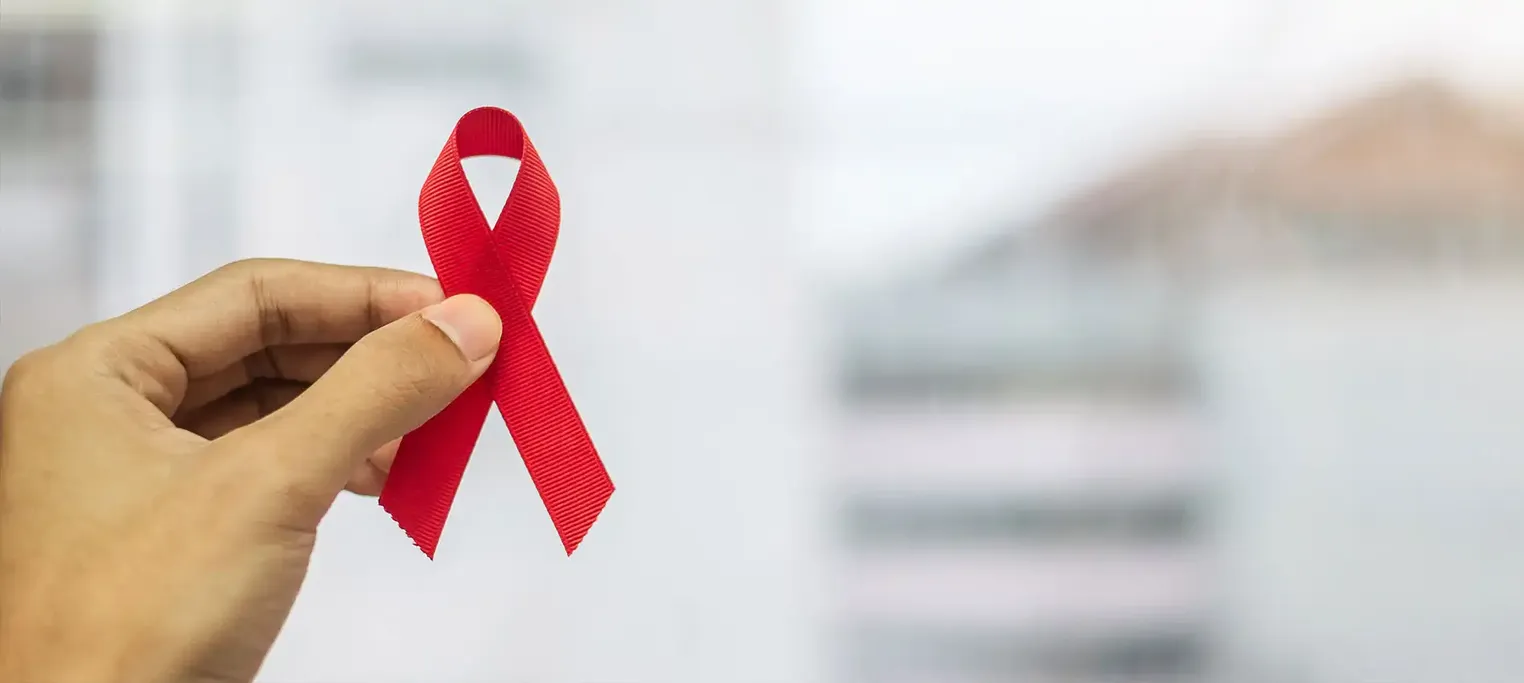
World AIDS Day is held every year on December 1.
It’s a time to remember those who have died from Human Immunodeficiency Virus (HIV)-related illnesses, and to show support for people living with HIV.
The 2025 Australian theme is ‘No one left behind’.
The day aims to:
- raise awareness of HIV and AIDS
- share accurate information about how HIV is transmitted
- tackle discrimination and HIV-related stigma.
What is HIV and how is it contracted?
HIV is a virus that attacks the body’s immune system. Without treatment, a person with HIV can develop Acquired Immune Deficiency Syndrome (AIDS), where the body’s immune system is weakened and can no longer fight off infection and disease.1
HIV can be contracted through the exchange of bodily fluids such as blood, vaginal fluid, semen and breast milk. It can be spread through unprotected vaginal and anal sex, and by sharing injecting equipment. It can also be passed from a mother to her child during pregnancy and childbirth, but this is rare in Australia.1
You cannot get HIV from hugging, kissing, shaking hands, using the same toilet, or sharing food and water.1
There are around 40 million people worldwide currently living with HIV.2
Sadly, misinformation about HIV and inadequate public health responses at the start of the HIV epidemic have led to increased stigma and discrimination, making life harder for those affected (including families and loved ones).3
HIV treatment and prevention
There’s no cure for HIV but with the right medical care, it’s a manageable health condition.
Treatment for HIV involves antiretroviral therapy (ART). These medications are usually taken daily, and reduce the amount of HIV in the body to very low levels – called an ‘undetectable viral load’.4
There are also new injectable treatments, which means that people living with HIV don’t have to take medications daily.5
In Australia, most people living with HIV are on treatment and live long, healthy lives.6
Just as important as treatment is prevention. Ways to prevent HIV include:
- using condoms during sex
- always using sterile injecting equipment, and not sharing equipment
- having regular sexual health checks
- PrEP, PEP and UVL (see more info below).7
PrEP, PEP and UVL
Pre-exposure prophylaxis (PrEP) is a medication that prevents HIV infection. It’s used by people at higher risk, such as men who have sex with men. PrEP reduces the risk of HIV transmission by around 99%.8
PrEP is also available as a long-acting injection – but this isn’t currently subsidised by the government.
Post-exposure prophylaxis (PEP) is a medication taken after a possible exposure. It must be started within 72 hours to be effective.9
If you think you’ve been exposed to HIV, check out the Get PEP Now website to find a location close to you that has PEP accessible. PEP is usually free when accessed from hospital emergency departments and pharmacies, or HIV and sexual health clinics.10
Undetectable Viral Load (UVL) means that when someone is on an effective treatment, the level of the virus in the body is so low that they cannot pass HIV on through sex.11
UVL is the most effective HIV prevention strategy. In 2023, Australia endorsed the global Undetectable = Untransmittable (U=U) campaign - which aims to raise awareness that people with an undetectable viral load can’t transmit HIV.
How common is HIV in Australia?
Australia’s response to HIV is world-leading, and we’re on-track to achieve many of the UNAIDS HIV elimination goals.12
Rates of new HIV diagnoses declined by 33% between 2014-2023.13 Transmission predominantly occurs through sex; rates of transmission from injecting equipment are low.
In 2023, among the 30,000 people with living HIV in Australia:
- 92% of people living with HIV had received a diagnosis – which means that around 8% of people living with HIV don’t know they have it
- of those diagnosed, 97% were receiving antiretroviral treatment
- of those receiving treatment, 98% had an undetectable viral load.13
Making sure everyone has access to prevention, testing, treatment and support is key to Australia’s success.12
In most cases, testing, care and treatment is free – including for people who aren’t citizens or permanent residents, and those without a Medicare card.
Why do some populations have higher rates of HIV if diagnoses in Australia are low?
While HIV infection rates are going down overall, some groups aren’t seeing the same reductions. These include people who get HIV through heterosexual sex, and people who were born overseas.13
Some groups, such as women, heterosexual men, and people born overseas, face additional barriers to testing and diagnosis, as well as stigma and discrimination.12
Inclusive prevention and treatment efforts are essential to ensuring everyone living with HIV has access to appropriate care and treatment, and can live the life they want.
Aboriginal and Torres Strait Islander people – a HIV priority population
In the past, Aboriginal and Torres Strait Islander communities had higher rates of new HIV infections than non-Indigenous Australians.
But between 2014 and 2023, rates of HIV infections decreased among First Nations peoples by 45%, and rates are now similar to non-Indigenous Australians.13
While this is a positive sign, because of the small number of cases, these decreases may reflect what’s happening in certain areas, rather than nationally.12
First Nations people also face challenges to diagnosis, treatment and care, such as a lack of culturally responsive care, and increased stigma and discrimination.12
To help address these issues, the Aboriginal and Torres Strait Islander HIV Awareness Week (ATSIHAW) is held during the first week of December to coincide with World AIDS Day.
ATSIHAW brings together communities, health workers and researchers to share knowledge, reduce HIV transmission and tackle HIV stigma in First Nations communities.
Get involved and find out more
To find a 2025 World AIDS Day event, learn about other ways to get involved, or access HIV information and resources, visit:
- World AIDS Day Australia
- Aboriginal and Torres Strait Islander HIV Awareness Week
- National Association of people with HIV Australia
- Us Mob and HIV
- Health Equity Matters
- Living Well: Women with HIV
This article was reviewed by Thorne Harbour Health.
- World Health Organization (WHO). HIV and AIDS. 2025. [cited 2025 Nov 10]
- World Health Organization (WHO). The Global Health Observatory: HIV. 2025. [cited 2025 Nov 12]
- National Association of people with HIV Australia (NAPWHA). Stigma and discrimination. [cited 2025 Nov 10]
- Thorne Harbour. Undetectable HIV. [cited 2025 Nov 10]
- McAuslan O. Long-acting injectable HIV treatment: new and easy ways to treat HIV. Emen8. 2025. [cited 2025 Nov 20]
- Norman T, Power J, Rule J, Chen J, Bourne A. HIV Futures 10: Quality of life among people living with HIV in Australia. Australian Research Centre in Sex, Health and Society, La Trobe University; 2022. [cited 2025 Nov 10]
- Thorne Harbour. HIV Transmission. [cited 2025 Nov 10]
- Thorne Harbour. Pre Exposure Prophylaxis (PrEP). [cited 2025 Nov 10]
- Thorne Harbour. Post-Exposure Prophylaxis (PEP). [cited 2025 Nov 10]
- Healthdirect. PEP (post-exposure prophylaxis). 2024. [cited 2025 Nov 10]
- Australasian Society for HIV Viral Hepatitis and Sexual Health Medicine (ASHM). HIV Management Guide for Clinical Care. Sydney; 2024. [cited 2025 Nov 10]
- Department of Health Disability and Ageing. Ninth National HIV Strategy 2024-2030. Canberra: Commonwealth of Australia; 2024. [cited 2025 Nov 12]
- King J, Kwon J, McManus H, Gray R, McGregor S. HIV, viral hepatitis and sexually transmissible infections in Australia: Annual surveillance report Sydney: The Kirby Institute, UNSW; 2024. [cited 2025 Nov 10]